What Are the Early Symptoms of Fatty Liver?
Fatty liver disease is becoming increasingly common due to poor lifestyle habits, unhealthy diet, and lack of regular exercise. It develops when excess fat accumulates within the liver cells, interfering with the liver’s ability to function properly. Many people do not notice symptoms of fatty liver in the early stages, which makes it easy for the condition to progress unnoticed. Recognizing these early signs is crucial, as timely intervention can prevent serious complications such as liver inflammation, fibrosis, cirrhosis, or even liver failure.
What is Fatty Liver?
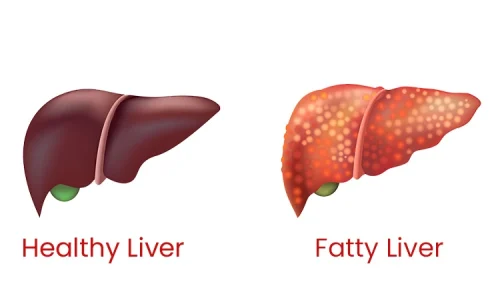
Fatty liver disease, also referred to as hepatic steatosis, occurs when excess fat builds up in the liver. The liver is a major organ involved in digestion, cleaning the body of toxins, and energy storage. When excess fat accumulates in the liver, it cannot function properly.
There are two main categories of fatty liver disease:
Non-Alcoholic Fatty Liver Disease (NAFLD) – When fat builds up in the liver, and is not caused by alcohol.
Alcoholic Fatty Liver Disease (AFLD) – Excess fat builds up in the liver as a result of drinking too much alcohol.
Symptoms of Fatty Liver
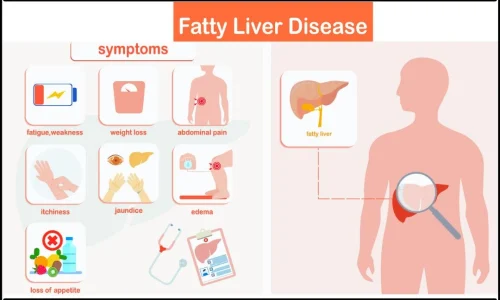
Fatty liver disease typically progresses gradually, and at first, many will not notice any signs. However, symptoms of fatty liver may arise subtly, indicating that the liver is under stress. Early identification of these symptoms is important for timely diagnosis and effective disease management.
1. Fatigue and Weakness
Feeling weak, unusually tired, or having a lack of energy is one of the most common early signs of fatty liver disease. This occurs because the liver is less effective at processing toxic by-products of cellular metabolism and producing energy, leaving a person with persistent exhaustion unrelated to sleep.
Upper Right Abdomen Discomfort
Mild pain, pressure, or dull ache in the right upper abdomen, where the liver is located, can indicate slight enlargement or inflammation in the liver. Discomfort may worsen after eating and with prolonged activity.
Unexplained Weight Loss or Gain
Unexplained weight gain or loss that occurs without changing typical eating or exercise habits can represent an early sign of fatty liver. The liver is essential in metabolism, and the buildup of fat can disrupt metabolic processes in the liver, leading to unexplained weight shifts.
Nausea and Loss of Appetite
In early-stage disease, a fatty liver can provoke nausea, as well as a decreased appetite. Some people feel full much sooner than they expect, even after very small meals. These changes in digestion are due to the stress that fat puts on the liver to produce bile and digest fats.
Weakened Immune System
A stressed liver is less able to filter toxins and help support immunity. Because of this, a less-than-healthy liver may result in increased infections, slower healing, and a general unwell feeling.
Dark Urine or Pale Stools
Urine or stool color changes can indicate stressed liver function. Dark yellow or brown urine and pale, clay-like stools may be the first visible signs of a liver unable to process bilirubin.
Skin and Eye Color Changes
Some individuals may develop a less severe yellowing of the eyes and skin (jaundice), even during early-stage liver stress. This is also due to the inability to process bilirubin, which an otherwise healthy liver removes.
Difficulty Concentrating and Brain Fog
When the liver is unable to efficiently filter toxins, this can have an impact on brain health. Those with early-stage fatty liver may experience difficulty remembering simple things, difficulty concentrating, or mental exhaustion, sometimes known as “brain fog.”
Swelling in the Belly or Legs
Fluid retention can occur in the belly (ascites) or legs (edema) in some cases, even during the early stages of liver problems. Initially, this may not be pronounced, but it could signify liver inflammation or a decrease in protein production.
Mild Gastrointestinal Complaints
Bloating, gas, and body discomfort, such as mild indigestion, may also appear at an early point. Fat accumulation can slow bile flow, which reduces fat digestion and results in mild discomfort after eating.
Mood Changes
Liver dysfunction may also influence hormones and metabolism, leading to irritability, mood swings, or depression in some individuals.
Causes of Fatty Liver
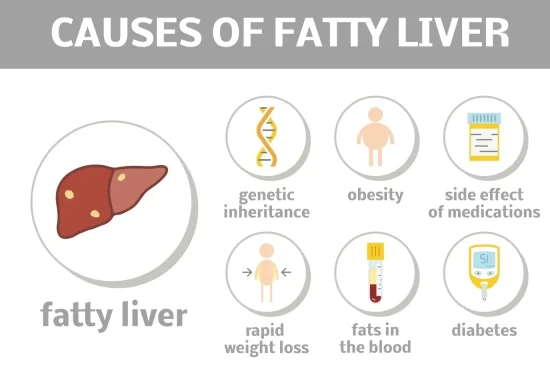
Understanding the underlying causes may help recognize early symptoms and limit disease progression. In many cases, homeopathic treatment can support liver health alongside addressing these causes. Frequently, the contributing factors are:
- Obesity or overweight—Having excess body fat can result in fat deposition in the liver.
- High cholesterol or triglycerides—Unhealthy lipid profiles influence liver functions.
- Type 2 diabetes—Insulin resistance increases the probability of fat accumulation in the liver.
- Poor diet—Eating processed foods, sugar-sweetened beverages, and unhealthy fats may contribute to fatty liver disease.
- Alcohol intake—Using too much alcohol can damage liver cells.
- Sedentary lifestyle—Not obtaining physical activity increases the risk of fatty liver disease.
Homeopathy Medicine for Fatty Liver
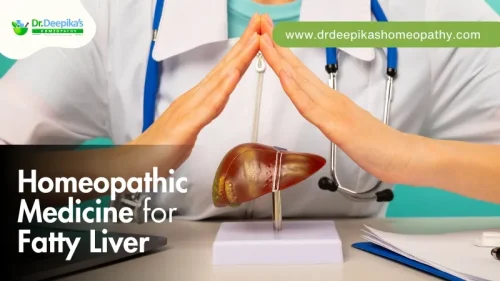
Homeopathy Medicine for Fatty Liver offers a natural and gentle way to support good liver health and manage hepatosis (fatty liver disease). While conventional therapies often focus only on symptoms, homeopathy aims to restore liver function, improve digestion, and reduce the accumulation of excess fat in the liver.
Common Homeopathic Remedies
Chelidonium Majus
- Aids in liver function and promotes the flow of bile.
- Provides relief from feeling uncomfortable in the upper right part of the abdomen and aching fatigue.
Carduus Marianus (Milk Thistle)
- Known for its ability to detoxify the liver, as well as the protection of liver cells.
- Provides relief from inflammation, as caused by fat accumulation.
Nux Vomica
- Improves digestion and metabolism.
- Effective for fatty liver due to poor diet, stress, or high alcohol consumption.
Lycopodium Clavatum
- Regulates liver function and bile secretion.
- Helpful with bloating, acidity, and fatigue due to liver distress.
Phosphorus
- Assists in the regeneration of the liver and general detoxification.
- Helps reduce weakness and lethargy associated with liver issues.
Disclaimer
The blog information posted here is for educational and informational purposes only and is not intended to be a substitute for professional medical advice, diagnosis, or treatment. Always seek the advice of a healthcare professional or homeopathy doctor about a medical condition or before starting any new treatment, medication, or lifestyle change, especially if you have a medical condition.
Conclusion
Fatty liver disease is frequently recognized only after it has developed, and early indicators such as fatigue, abdominal discomfort, nausea, or small weight changes often go unnoticed. Identifying these signs early is important to reduce the risk of inflammation, fibrosis, or cirrhosis. Fatty liver can often be managed or even reversed with simple lifestyle adjustments—maintaining a healthy body weight, eating a balanced diet, exercising regularly, limiting alcohol, and staying hydrated. Consulting the Best Homeopathy Doctor in Noida can further support liver health through natural, individualized remedies alongside these lifestyle measures.